GFCSI InsightClimate Finance
From Climate Finance to Climate Resilience: Building a System That Works for Somalia
Somalia’s growing climate investments offer an opportunity to connect national priorities, appropriate finance and capable institutions—and turn funding into lasting resilience.
- By
- GFCSI
- Published
- Reading time
- 8 min read
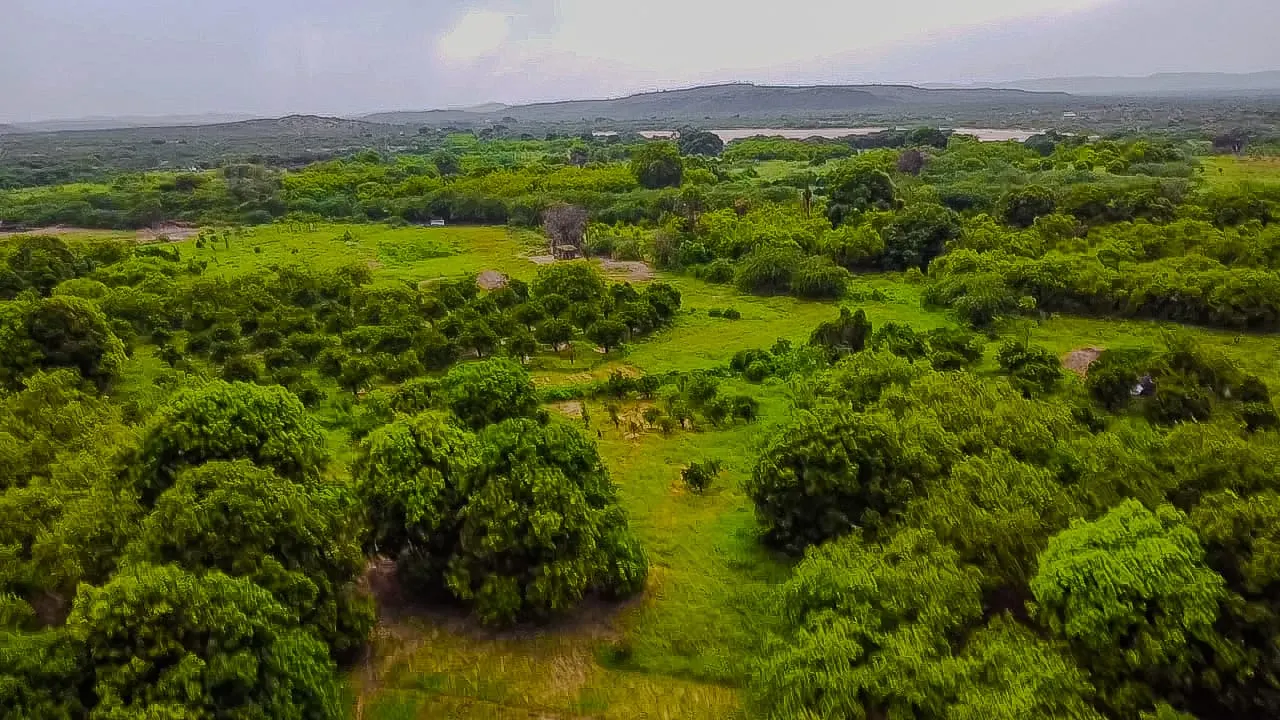
A drought-resistant seed can help a farmer protect a harvest. But its value depends on more than the seed itself: water must be available, extension services must reach the farmer, and local institutions need the knowledge and resources to support production over time.
The same is true of climate finance. An investment can be approved, yet its lasting impact depends on how well it connects with other investments, institutions and the communities it is intended to serve.
Somalia is building an increasingly important foundation for climate action. Its national climate commitments, adaptation plan and emerging investment framework provide direction, while projects in agriculture, early warning, health and energy are bringing new resources and experience. The opportunity now is to connect these efforts into a system that can turn finance into durable resilience.
A national agenda with development at its centre
For Somalia, climate resilience is inseparable from development. Drought and floods affect pastoral livelihoods, agricultural production, water supplies, public health and infrastructure. They can also deepen displacement and place additional pressure on communities already facing economic and security challenges.
The country’s third Nationally Determined Contribution, NDC 3.0, places adaptation at the centre of its climate response. It estimates approximately $11.5 billion in combined adaptation and mitigation needs for 2025–2035, including $6.33 billion for adaptation. These are estimated investment needs, not funds already secured.
The National Adaptation Plan and the National Climate Change Action Plan add detail to this agenda, identifying priorities in areas including agriculture, water, health, disaster risk management, energy and urban resilience. They also recognise that implementation depends on coordination across federal institutions, Federal Member States, local government and other actors.
The scale of need is substantial. So is the potential return from well-designed action. Somalia’s 2026 Country Climate and Development Report argues that investments in areas such as resilient agriculture, cities, disaster risk management and institutions can reduce climate-related economic losses while supporting jobs and productivity.
The task is to translate these priorities into investments that can be financed, delivered and sustained under Somalia’s conditions.
The right finance for the right purpose
Climate investments do not all work in the same way. A public early-warning system, a restored rangeland and a renewable-energy service can all strengthen resilience, but they have different costs, beneficiaries and possibilities for generating income.
Some investments deliver benefits across society without producing a dependable revenue stream. Community adaptation, climate information, public health preparedness and ecosystem restoration are examples where grants and public finance have an essential role. Expecting such investments to repay commercial finance can make vital public priorities harder to fund.
Other activities may support carefully structured private participation. A renewable-energy provider, for example, may be able to recover costs from customers. Even then, investment depends on practical conditions: whether electricity is affordable, whether payments can be collected reliably, whether operators have the capacity to deliver, and whether the rules governing service provision are sufficiently clear.
The distinction matters for public policy. Somalia needs to mobilise more resources, but it also needs financing arrangements suited to the purpose of each investment and to the institutions responsible for delivery. Private finance can contribute where conditions support it; public-good adaptation requires a strong foundation of public and grant-based support.
What current investments reveal
Somalia’s climate-related portfolio already offers examples of how finance can support national priorities—and why implementation arrangements matter.
Ugbaad and the foundations of agricultural resilience
The Green Climate Fund has approved approximately $79.7 million in grant finance for Climate Resilient Agriculture in Somalia, known as Ugbaad. The project is intended to strengthen agricultural resilience, restore productive landscapes and support vulnerable communities. Its total project value, including co-financing, is approximately $94.9 million. FAO is the GCF-accredited entity, working with the Government of Somalia.
Ugbaad illustrates the breadth of work required to make agricultural finance effective. Climate-resilient agriculture depends on more than individual farm inputs. It also involves water management, land information, local planning, agricultural services and cooperation between federal and state institutions.
Its significance will ultimately be measured not only by how much finance is approved, but by whether farmers, pastoralists and agro-pastoralists can sustain stronger livelihoods as climate pressures change.
Early warning and early action
In 2026, Somalia launched a national initiative under Early Warnings for All, supported by a $12.7 million GCF grant, alongside partner co-financing. The Somalia Disaster Management Agency leads the initiative, with UNDP serving as the implementing partner. Its planned work spans risk knowledge, observation and forecasting, communication, coordination and community preparedness.
The initiative shows why the value of climate finance lies in the links between institutions and services. Forecasts need to reach communities in time and in a form people can use. Local authorities and responders also need the arrangements and resources to act on them. A warning becomes more effective when it is connected to preparedness, not treated as a stand-alone message.
Climate finance and essential services
Climate-related investment can also strengthen services that Somalis rely on every day. Under the health project Damal Caafimaad, a $4.25 million GCF grant was provided to Somalia through a World Bank financing agreement for additional project activities. This is an example of climate finance being connected to the health sector.
In energy, the World Bank-supported ASCENT Somalia project is part of a wider effort to expand access to cleaner and more reliable electricity. Energy investments can support health facilities, businesses, schools and households, while renewable generation can reduce reliance on expensive fossil-fuel-based supply. Affordability and reliability remain central to whether those benefits reach people.
These initiatives differ in purpose and financing. Together, they show that climate resilience is not confined to a single ministry or fund: it is linked to how Somalia plans and delivers agriculture, disaster preparedness, health, energy and other services.
Connecting projects to a national system
Individual projects can deliver valuable results. They can also do more when their knowledge, investments and institutional arrangements reinforce one another.
A water investment, for example, may support agriculture, livestock and public health. Its benefits will be stronger where water infrastructure is accompanied by sound management, attention to land use, and arrangements for communities to participate in decisions. Similarly, climate information generated for disaster preparedness can help farmers, pastoralists, planners and service providers make better decisions.
This requires institutions to have a clear view of how investments relate to national priorities and to one another. It also calls for attention to complementary finance: whether the other resources, services or infrastructure on which an investment depends are available when needed.
Somalia’s climate plans recognise these connections. The institutional task is to make them work in practice—through planning, project preparation, coordination and shared learning across sectors and levels of government.
Stronger institutions, stronger ownership
National ownership is built through practical responsibilities. Somali institutions need the opportunity and resources to help identify priorities, prepare proposals, shape financing arrangements, oversee implementation and assess results.
The Ministry of Environment and Climate Change has a central role in climate coordination. The Ministry of Finance, planning institutions, sector ministries, Federal Member States and local authorities also bring responsibilities that are essential to delivery. International accredited entities and development partners contribute technical, fiduciary and financing expertise. The quality of their partnerships with Somali institutions matters for both immediate results and long-term capability.
Strengthening that capability includes investing in the less visible work on which projects depend: climate and financial data, technical design, safeguards, procurement, financial management, monitoring and community engagement. It also means preparing for the costs of operating and maintaining infrastructure after the initial investment.
Local knowledge is equally important. Farmers, pastoralists, women, young people and affected communities understand risks that may not be visible from a national plan alone. Their participation can improve the design, acceptance and durability of investments.
Making finance and results visible
A clear picture of climate finance helps government and partners make better decisions. That picture should show where finance comes from, what it is intended to support, which institutions are responsible and what progress is being made.
It should also distinguish between funding approved, funding disbursed, expenditure and results achieved. Each tells us something different. A grant approval signals an opportunity; implementation and evidence of outcomes show what that opportunity has delivered.
Somalia’s national climate planning documents already recognise the importance of tracking and reporting. Strengthening those efforts can help align external support with national priorities, improve accountability and reveal where additional preparation or coordination is needed.
A path toward lasting resilience
Somalia’s climate-finance agenda is at a point where the quality of connections matters as much as the number of initiatives. National plans need to inform investments; financing needs to fit the purpose of those investments; and institutions at every level need the means to deliver and sustain them.
For GFCSI, the priority is clear: climate finance should help protect lives and livelihoods while building Somalia’s own capacity to plan, implement and learn. When investments strengthen both communities and the institutions that serve them, their value can extend well beyond the life of a single project.
Selected sources
- Federal Republic of Somalia, Updated NDC 3.0 (opens in a new tab).https://unfccc.int/node/649598
- Federal Republic of Somalia, National Adaptation Plan (opens in a new tab).https://unfccc.int/documents/650015
- Ministry of Environment and Climate Change, National Climate Change Action Plan 2025–2030 (opens in a new tab).https://napglobalnetwork.org/resource/somalias-national-climate-change-action-plan-2030/
- Green Climate Fund, Climate Resilient Agriculture in Somalia—Ugbaad (opens in a new tab).https://www.greenclimate.fund/portfolio/projects/fp246
- UNDP, Somalia’s Early Warning for All initiative (opens in a new tab).https://www.undp.org/arab-states/press-releases/somalia-launches-early-warning-all-initiative-strengthen-climate-resilience
- World Bank, Somalia Country Climate and Development Report (opens in a new tab).https://documents1.worldbank.org/curated/en/099021926013569996/pdf/P501734-ed11fda9-5b2d-417b-b32e-3cca829643c4.pdf